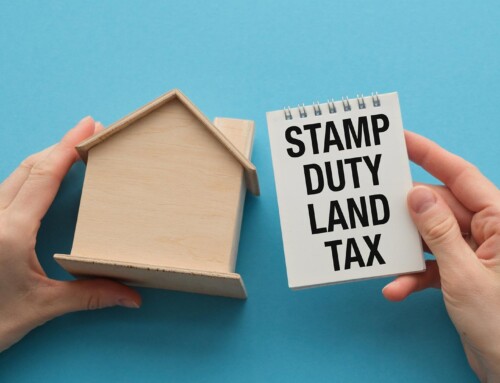
The Angela Rayner stamp duty furore is a reminder of the complexity of this tax area – and the added complications of trust tax.
The Deputy Prime Minister’s political future is hanging in the balance after she admitted underpaying stamp duty when buying her £800,000 flat in Hove, East Sussex.
The row erupted after it was reported Ms Rayner, who is also housing secretary, had saved £40,000 in tax on the flat. She was said to have paid £30,000 of Stamp Duty Land Tax (SDLT) instead of the higher rate of £70,000 reserved for additional home purchases.
Ms Rayner said she had paid the standard rate of stamp duty when buying the flat in May, after receiving legal advice.
Stamp duty and trusts: the Angela Rayner tax row
In a statement, Ms Rayner said that after her divorce in 2023, she and her ex-husband agreed to a nesting arrangement. This was to allow their children to stay in the family home in Ashton-under-Lyne, Greater Manchester, while Ms Rayner and her former spouse alternated living there.
They also wanted to ensure their child, who has special educational needs, was provided for. A court-instructed trust was set up in 2020 following an incident involving her son as a premature baby.
She said: “We agreed that our interest in the family home would be transferred to this court-instructed trust of which he is the sole beneficiary. Some of the interest in our family home was transferred to the trust in 2023. In January 2025, I sold the remaining interest in the property to my son’s trust.
“The sale of the property in Ashton-under-Lyne to the trust has not altered my family life… it is where my children live and have gone to school and now college, and where I regularly live while caring for them.”
Ms Rayner used the lump sum from selling her stake in her Ashton home for the deposit on her new one.
She said: “When purchasing the property my understanding, on advice from lawyers, was that my circumstances meant I was liable for the standard rate of stamp duty.
“However, given the recent allegations in the press I have subsequently sought further advice from a leading tax counsel to review that position and to ensure I am fully compliant with all tax provisions.
“I have now been advised that although I did not own any other property at the time of the purchase, the application of complex deeming provisions which relate to my son’s trust gives rise to additional stamp duty liabilities.
“I acknowledge that due to my reliance on advice from lawyers which did not properly take account of these provisions, I did not pay the appropriate stamp duty at the time of the purchase. I am working with expert lawyers and with HMRC to resolve the matter and pay what is due.”
What happens next?
Ms Rayner has referred herself to Sir Laurie Magnus, the independent adviser on ministerial standards, who is expected to finish his investigation imminently. The final decision on Ms Rayner’s fate will come down to her boss, Prime Minister Sir Keir Starmer.
My thoughts on the Angela Rayner flat controversy
Stamp Duty Land Tax is an area of tax that is unnecessarily complex. And, in this case, it’s made even more complicated by bringing trust law into the mix.
It’s therefore conceivable a misinterpretation of tax law has taken place, and I’m sure the decision will determine whether the advisers she used were competent in this area of tax and trust law.
The row highlights how complex our tax system is and how important it is to seek advice from professionals who are experts in the areas under consideration.
Obviously, if this is anything other than a misinterpretation of the rules (which is possible in this type of scenario) then we will find out soon enough and I’m sure the necessary steps will be taken.