Speculation about the Government’s tax and spending plans has intensified after Sir Keir Starmer warned of a “painful” October Budget.
Speaking in the Downing Street garden last week, the Prime Minister referred to the £22 billion “black hole” in the public finances that Labour said it had identified after coming to power in July.
Sir Keir warned there would be “tough” choices ahead and that those with the broadest shoulders “should bear the heavier burden”. And he asked the country to accept “short-term pain for long-term good”.
And while we can still only speculate about the detail of the forthcoming Budget, the PM’s speech at least gives us more of an indication of what it might contain.
When is the Autumn Budget and what can we expect?
Chancellor Rachel Reeves will deliver the Autumn Budget on Wednesday 30 October 2024. The statement will be accompanied by an economic forecast from the Office for Budget Responsibility (OBR).
And while we can only guess about the contents of the October Budget, it’s expected that tax increases will feature.
What do we already know about the Government’s tax and spending plans?
The Government has said it’s committed to “addressing unfairness” in the tax system and raising revenue for public services by “closing loopholes and tackling tax avoidance”.
The Treasury statement at the end of July confirmed some of the Government’s plans, including:
- Non-doms: remove the concept of domicile status from the tax system and implement a new residence-based regime. This reform will end the use of offshore trusts to keep assets outside the scope of inheritance tax and scrap the 50% foreign income discount in the first year of the new regime. Full details of this reform will be provided at the Budget.
- Furnished holiday lettings: abolish the furnished holiday lettings (FHL) tax regime from April 2025. This will remove the tax advantages that landlords offering short-term holiday lets have over those providing standard residential properties. The legislation also contains information about the transitional arrangements that will apply.
- Tackling the tax gap: a comprehensive approach to tackling the tax gap and making sure more of the tax revenues that are owed are correctly paid.
- VAT on private schools: 20% VAT to be introduced for school fees across the UK from 1 January 2025 (with exceptions).
Meanwhile, Ms Reeves has announced Winter Fuel Payments will be targeted at recipients of Pension Credit and certain other means-tested benefits from winter 2024-25 in England and Wales.
My Autumn Budget predictions
It’s inevitable there will be tax changes because of the amount of revenue the Government needs to raise. The likely targets are capital gains tax (CGT) and inheritance tax (IHT).
CGT is a difficult one. In one respect, it’s a tax on the ‘rich’, or at least those who can afford assets. But at the same time, it’s a tax that taxpayers can easily avoid – legally – simply by not selling those assets. So, increasing the rate could potentially lead to a decrease in CGT revenue for the Government.
It’s therefore more likely changes will be made to the tax reliefs.
CGT has reliefs that can provide significant savings for taxpayers, such as:
- Business Asset Disposal Relief (10%)
- Private residence relief
- Holdover relief
- Substantial shareholdings exemption
I’d expect some changes to these reliefs, whether in how they’re applied or caps on the amounts that can be claimed. That would mean the headline rate remains unchanged, but the actual tax liability would increase.
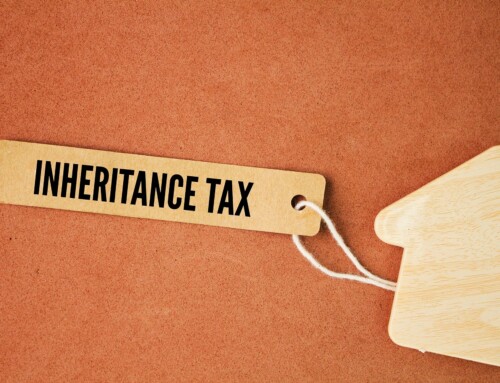
Similarly for inheritance tax, there are a number of reliefs, such as agricultural property relief and business property relief, which are currently unlimited if the relevant criteria are met. It seems likely we’ll see some changes to these valuable reliefs. Another potential candidate for change is the IHT-favourable status of pensions.
Preparing for the October 2024 Budget
It might be worth bringing forward any transactions that are likely to happen, such as property sales or sales of company shares, if commercially viable, in case there are any changes that might adversely impact those sales.
But I always stress not to allow the tax tail to wag the commercial dog. So, I’d advise against artificially, or uncommercially, carrying out transactions just because there might be rule changes. Ultimately, you don’t want to place yourself in a position that’s financially detrimental going forward because you’re trying to second guess what the new Government will do.
Helping you get clarity on your taxes
Our team of experienced tax advisers can help you get your taxes right and plan for a financially healthy future.
Talk to us on 01902 585 311 or email stephanie.churchill@churchilltaxation.co.uk
Or you can book one of our Tax Power Hour sessions – find out more here.